A warehouse manager once told me he didn’t think much about the printing on his woven polypropylene sacks—until a batch of unlabeled fertilizer was mistaken for livestock feed, causing a costly quarantine on an export shipment. That single incident pushed his cooperative to overhaul not just how bags were produced, but how they were identified. It’s a story that repeats itself across industries: the strength of a woven bag catches the first attention, but the information carried on its surface often determines whether the product inside reaches its destination safely, legally, and profitably.
Automatic woven bag making machines have long been the backbone of high-volume industrial packaging. Yet focusing only on stitching speed, fabric roll width, or gusset style misses half the picture. The bags these machines turn out go on to hold cement, rice, hazardous chemicals, promotional giveaways, and life-saving sandbags. In every case, what’s printed on the polypropylene fabric—whether a brand logo, a safety pictogram, or a batch code—adds a layer of functionality that the bag-making process alone cannot provide.
Below, we break down the five most demanding real-world uses of automatic woven bag production lines, weaving in the printing and marking demands that each scenario brings. Along the way, you’ll find practical guidance and four natural touchpoints where deeper knowledge about printing integration can help you make a more informed equipment decision.
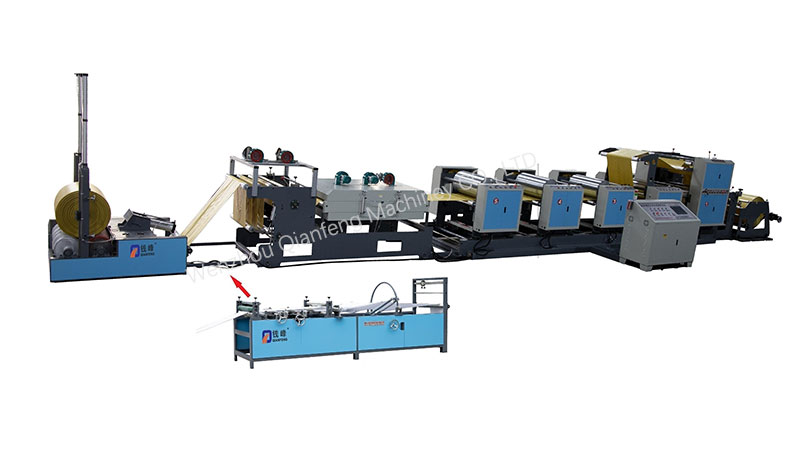
Fertilizer, animal feed, seeds, and rice are among the highest-volume applications for polypropylene woven bags. In Southeast Asia and Sub-Saharan Africa alone, millions of such sacks are filled each month. The priority here is mechanical strength—a 50 kg bag must survive drops, stacking, and humidity cycling during monsoon-season transport. ISO 21898 standards for flexible intermediate bulk containers often influence the tear-resistance and seam-strength targets that bag manufacturers aim for.
But durability alone doesn’t ensure safe delivery. Agricultural bags must carry product names, nutrient compositions, manufacturer details, and often multi-language safety warnings. A Urea 46% nitrogen bag that fades under UV exposure within three weeks of outdoor storage can become a liability. Several Southeast Asian cooperatives reported that switching to high-opacity, abrasion-resistant legends cut product misidentification incidents by over 40%, according to their internal quality audits.
That’s where printing technology enters the decision. When a bag-making line runs at 30 to 50 pieces per minute, the marking solution must keep pace without smearing or contaminating the fabric. The ink or ribbon adhesion on woven PP, especially on circular loom fabric with a slightly waxy finish, requires surface treatment and precisely controlled drying. Explore durable printing solutions that address these demanding adhesion conditions while maintaining throughput.
Walk onto any large construction site—whether a high-rise in Dubai or a road project in Kenya—and you will see woven polypropylene sacks filled with rubble, sand, gravel, or demolition waste. These bags are disposable workhorses, but they still need basic markings: company name, skip number, or a simple warning strip for hazardous waste. Without clear markings, disposal contractors can mix inert and contaminated waste, resulting in environmental fines.
For bag manufacturers, the construction segment is a margin play. Speed matters, and any printing step must not slow down the bag conversion line. That’s why many producers opt for simple inline markers that apply one or two colors immediately after tube formation, before the fabric is cut and stitched.
The printing challenge here is imprint durability on dusty, uncoated surfaces that get tossed onto truck beds and scraped over concrete. Even a basic single-color stripe needs to bond well enough not to disappear under mechanical abrasion. Substrate pretreatment—corona or flame—is often the hidden prerequisite, and not every printing setup includes it.
In emergency operations, the speed at which sandbags can be produced, filled, and deployed can determine whether a levee holds. Both government civil defense units and humanitarian organizations keep large buffer stocks of unfilled woven polypropylene sandbags. Automatic bag making machines that can switch rapidly from a standard agricultural bag size to a compact sandbag dimension (usually around 35×70 cm) are critical.
Printing on flood-control sandbags is minimalizing but highly functional: a reflective strip for night visibility, a simple “SAND” or “EMERGENCY” label, and sometimes a batch date for stock rotation. The emphasis isn’t on aesthetics but on mark legibility after months or years of warehouse storage—a factor that tests the permanence of the printing ink against oxidation, humidity, and potential rodent contact.
The takeaway for packaging producers serving the emergency management sector is that even minimally printed bags require a reliable marking method that doesn’t flake off when bags are crumpled. This is one area where a technology that looks “overspecified” on paper—such as a heavy-duty industrial printer designed for persistent codes—can actually reduce rejection rates during government inspection.
This is where function meets fashion. The woven polypropylene tote has evolved from a cheap giveaway into a design-forward retail accessory, seen in supermarket chains moving away from single-use plastics and boutique brands releasing limited-edition reusable shoppers. For bag manufacturers, this is the highest-margin segment, but it also carries the steepest quality expectations.
A retail tote must hold 15–20 kg, stand upright when placed on a floor, and feature crisp, multi-color graphics that can include photographic-quality images or intricate brand patterns. Achieving this on woven PP requires a rethink of the printing step. Unlike heavy-duty agricultural sacks where one or two spot colors suffice, the promotional bag market demands process-color flexographic or even gravure-like registration at high throughput.
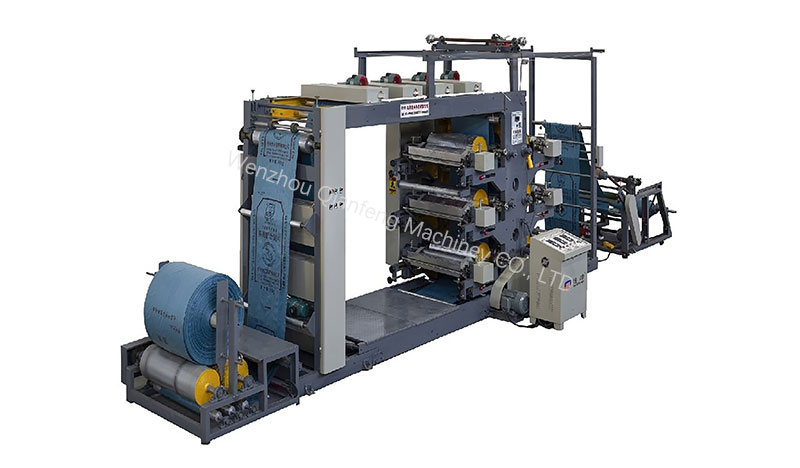
One mid-sized Asian converter we spoke with noted that their switch from offline screen printing to an inline, high-register press cut their rework rate for graphic misalignment from 12% to below 2%, while allowing them to accept orders for full-wrap artwork that previously had to be outsourced. High-definition woven bag decoration techniques are becoming the differentiator that lets independents compete with vertically integrated mega-suppliers.
If your workload includes runs where artwork changes frequently—say, limited-edition bags for festivals or collabs—then quick plate or cylinder changeover, along with digital job recall, directly impacts profitability. The ability to print fine text, accurate brand colors, and even QR codes without sacrificing bag strength is now a core capability, not a nice-to-have.
Of all the applications, this one carries the highest regulatory burden. Bags used for powdered chemicals, resin pellets, or mineral additives must conform to the Globally Harmonized System (GHS) of classification and labeling, or equivalent national standards such as China’s GB/T 16483. The required elements—signal words, hazard pictograms, precautionary statements—must remain legible and durable throughout the bag’s life, even when exposed to the very substance inside that might be caustic or solvent-like.
This pushes printing to a level of robustness that many converters underestimate. The ink must resist not only abrasion but also chemical attack. In some cases, varnishing or an over-lacquer is added, but that’s an extra cost and step. Alternatively, the printing method itself must lay down a film that bonds securely with the treated PP substrate to act as a barrier.
Testing protocols matter here. The standard procedure—rubbing a printed panel with a swab soaked in the fill material’s solvent and checking for smudge or transfer—confirms whether the printed warning will survive a leaking bag scenario. Machinery for chemical-resistant labeling needs to deliver consistent film weight and drying intensity, often validated through adhesion test methods like the cross-cut tape test per ISO 2409. For bag producers who serve the chemical sector, offering a validated print durability certificate can be the edge that secures multi-year supply contracts.
From the tension of an agricultural sack exiting the sewing head to the vivid graphic on a retail tote, every use case shares a common thread: the value of a woven bag isn’t just in its fabric—it’s in the information printed on that fabric. When a production line treats bag making and printing as two sequential processes bought from different vendors, the typical result is a gap in responsibility. The bag supplier blames the printer; the printer blames the substrate. The customer, meanwhile, just wants a bag that works.
Forward-thinking manufacturers are moving toward integrated lines where the printing step is part of the early conversation, not an afterthought. Whether it’s a compact offline printer for short runs of construction sacks or a high-speed inline press for agricultural volumes, the right configuration can reduce waste, improve compliance, and open new revenue channels—like taking on short-run custom orders that larger factories ignore.
If you’re evaluating how to bring bag production and printing into a smoother, more accountable workflow, it’s worth looking at equipment that’s designed with this synergy in mind. Browse Qianfeng’s printing machine lineup to see how modularized printing modules pair with a variety of bag-making speeds and web widths, without turning your shop floor into a puzzle.
References & Further Reading
ISO 21898:2004 — Packaging — Flexible intermediate bulk containers (FIBCs) for non-dangerous goods
ISO 2409:2020 — Paints and varnishes — Cross-cut test
Globally Harmonized System of Classification and Labelling of Chemicals (GHS), Rev. 9, UNECE
Internal quality audit data cited from Southeast Asian agricultural cooperatives (anonymized, on file)
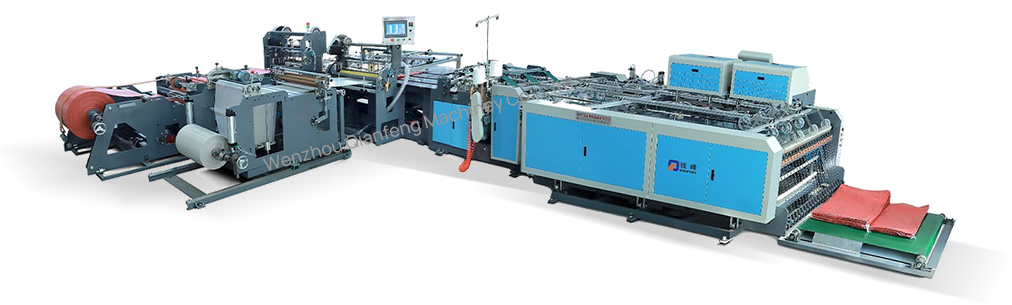
Outer Bag Cutting Length (mm):600-1200
Outer Cloth Width (mm):450-650
Inner Bag Wider than Outer Bag (mm) +20
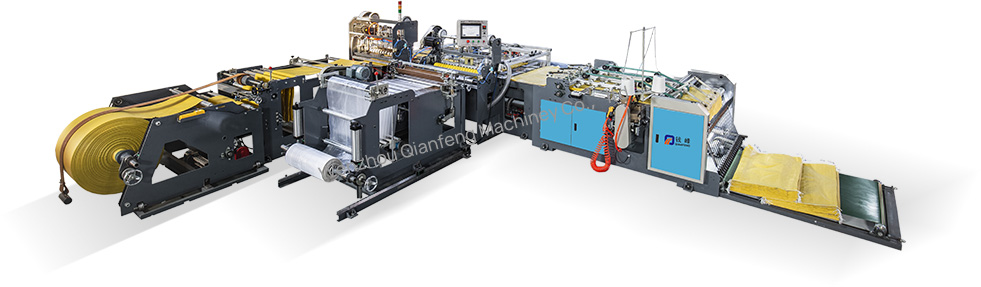
Outer Bag Cutting Length (mm):600-1200
Outer Cloth Width (mm):400-680
GET A QUOTE



 中文
中文 English
 Pусский
 Français
 Español