A production manager from a medium-sized packaging plant once told me, "I thought all cutting sewing machines were the same. So I bought the cheapest one. Three months later, I had spent more on spare parts and overtime than I saved on the purchase."That story repeats itself across the industry more often than you might think.
The cutting and sewing station is the heart of any woven bag operation. It takes the flattened tube fabric, cuts it to length, sews the bottom or valve, and ejects a finished bag. When this machine works well, you barely notice it. When it fails, your entire line stops.
So how do you pick a woven bag cutting sewing machine that delivers consistent output without becoming a maintenance nightmare? Here are five practical tips based on real production floor experience.
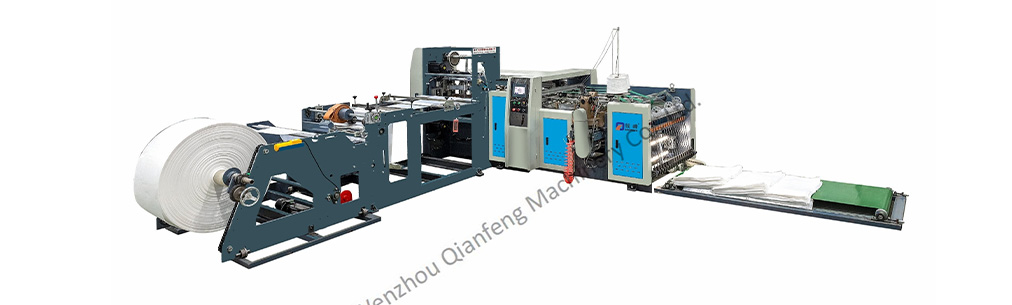
The most common mistake buyers make is leading with budget. "I have $15,000 to spend, what can I get?" That approach almost always leads to under-specification.
Instead, calculate your required output first.
Low volume (under 500,000 bags/month): A mechanical clutch machine may suffice. These are simpler but require more frequent operator intervention.
Medium volume (500,000 to 1.5 million bags/month): Look for servo-driven models with adjustable cutting length and automatic stackers.
High volume (over 1.5 million bags/month): You need a fully synchronized system with multi-thread sewing heads, automatic lubrication, and real-time diagnostics.
A machine rated for 40 cycles per minute might theoretically produce 2,400 bags per hour. But real-world uptime (including thread changes, roll changes, and adjustments) typically runs at 70-80% of theoretical speed. Factor that into your calculation.
The cutting unit determines edge quality. And edge quality determines whether your customers complain about fraying.
Two main cutting technologies dominate the market:
Scissor-style (Guillotine) Cut:
Two straight blades coming together like scissors
Clean cut on light to medium fabrics
Requires regular sharpening (every 200-300 operating hours)
Rotary Cut:
A circular blade rolling against a fixed anvil
Better for heavier fabrics (over 80 GSM)
Longer blade life but higher initial cost
Ask the supplier three specific questions about the cutting unit:
What material is the blade made from? (High-carbon steel or tungsten carbide is best)
Is the blade gap adjustable? (Critical for different fabric thicknesses)
What is the expected blade life in hours, not months? (Hours are honest; months are vague)
The sewing head is where most hidden problems surface. A sewing head that works perfectly on a test bench can fail miserably on a production floor.
Here is what to check:
According to a 2023 survey of packaging plant maintenance leads, sewing head jams and thread breakage account for nearly 40% of unplanned downtime on cutting sewing lines.
If your production targets are demanding, review the sewing head specifications on integrated conversion systems before making a final decision.
Your bag dimensions will change. Maybe not this month, but certainly next year. A machine that takes two hours to change from a 50cm bag to a 100cm bag is a machine that locks you into inflexible production.
Ask about these changeover features:
Cutting length adjustment: Is it digital (keypad entry) or manual (cranks and screws)? Digital adjustments take 30 seconds. Manual adjustments take 15 minutes.
Fabric width range: What is the minimum and maximum fabric tube width the machine accepts? Look for at least 30% headroom above your current maximum.
Bag type switching: Can the machine switch between open-mouth bags, valve bags, and gusseted bags? If yes, what parts need to be swapped?
One plant manager we interviewed reduced his changeover time from 55 minutes to 4 minutes simply by upgrading to a machine with servo-controlled length adjustment and quick-clamp sewing head mounts.
Even experienced production managers fall into these traps:
Mistake #1: Ignoring dust protection. Woven bag cutting generates PP dust and lint. Machines without sealed bearings and dust covers will fail prematurely. Open a machine panel before buying. If you see exposed components, walk away.
Mistake #2: Focusing only on speed. A machine that runs at 50 cycles per minute but jams every 200 cycles has a lower effective output than a machine that runs at 40 cycles per minute with zero jams.
Mistake #3: Skipping the spare parts list. Ask for a list of wear parts (blades, needles, loopers, feed dogs) and their estimated lifespans. If the supplier cannot provide this data, they haven't tested their machine thoroughly.
Every manufacturer claims their machine is "high precision" and "low maintenance." Brochures all look similar. What separates reliable equipment from problematic ones is real-world validation.
Ask potential suppliers for:
A video of the machine running at full speed with the sound on. Listen for irregular knocking or squealing.
Three customer references running similar bag types and volumes. Call them. Ask about blade life, thread break frequency, and spare parts availability.
A service response time commitment in writing. When a machine goes down, how many hours until a technician calls back? Until a part ships?
One packaging association report noted that 62% of unplanned downtime events on cutting sewing machines could have been prevented by better pre-purchase validation. Do not skip this step.
Selecting a woven bag cutting sewing machine is not about finding the perfect machine. It is about finding the machine that matches your volume, fabric range, and operator skill level.
| Your Priority | Look For |
|---|---|
| Maximum uptime | Sealed bearings, automatic lubrication, dust protection |
| Fast changeovers | Digital length adjustment, quick-clamp heads |
| Low maintenance | Accessible wear parts, clear maintenance intervals |
| Edge quality | Rotary cut or precision guillotine with adjustable gap |
The best machine for a small bag shop making 200,000 sacks per month is very different from the best machine for an export-oriented plant making 2 million cement bags monthly. Know your volume before you negotiate price.
For production teams looking to scale beyond manual changeovers and frequent jams, explore the cutting and sewing configurations available on automated bag conversion systems. The right machine pays for itself in reduced downtime alone within the first year.
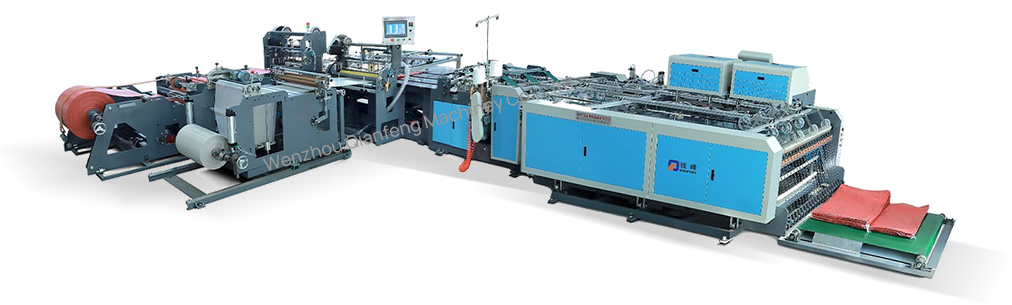
Outer Bag Cutting Length (mm):600-1200
Outer Cloth Width (mm):450-650
Inner Bag Wider than Outer Bag (mm) +20
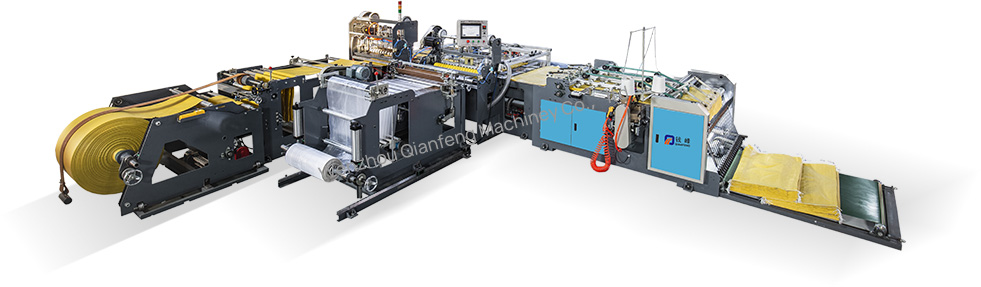
Outer Bag Cutting Length (mm):600-1200
Outer Cloth Width (mm):400-680
GET A QUOTE



 中文
中文 English
 Pусский
 Français
 Español